For many football fans, especially those who enjoy the layers beyond just cheering for their team, the phrase “watching the market react” has become part of their vernacular. But what exactly does it mean, and why should fans care? In an era where smartphones, podcasts, and real-time data feed into every moment of a matchday, understanding market movement football adds a deeper dimension to following the game.
This blog post will demystify what “watching the market react” means, focusing on key themes such as team news and injury verification, expected line-ups, performance metrics beyond results, and tactical in-game adjustments — all through the lens of how odds and market sentiment shift in response.
The Basics: What is the Market in Football Context?
In football, the "market" often refers to betting markets — sportsbooks setting odds for outcomes like match results, goal totals, or player-specific events. Importantly, these odds aren’t static; they move based on incoming information and betting activity. This dynamic nature means odds shifts can reflect everything from last-minute injury updates to https://varimail.com/articles/why-do-some-sources-feel-confident-but-never-cite-anything/ tactical tweaks announced shortly before kick-off.
Watching the market react means observing these odds move in real time, interpreting those changes to gauge how various factors might influence the game. For fans, this isn’t about placing bets but about using market movements as a proxy for real-time insights, helping them understand the game's evolving narrative.
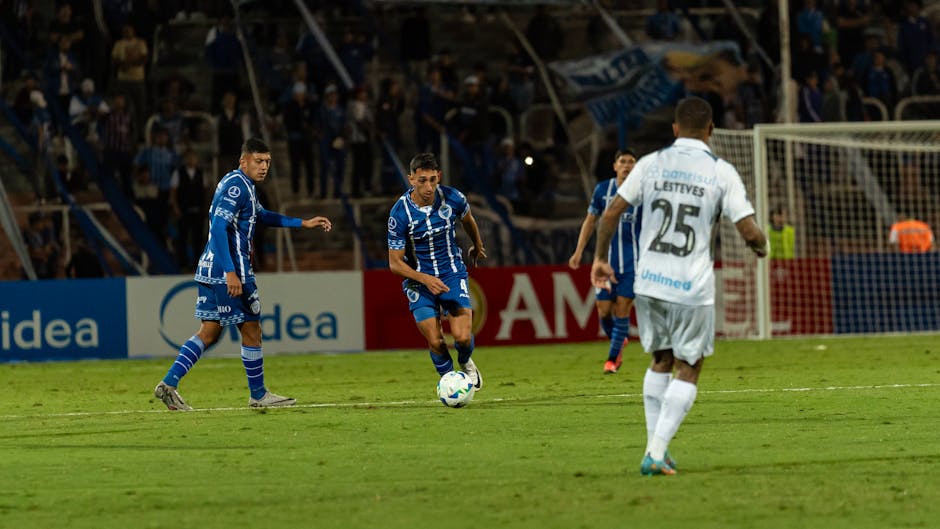
Smartphones and Mobile Access: Your Portal to Live Market Movement
Thanks to smartphones, football fans now have instant access to betting odds, team news, line-up confirmations, and analytical insights — all at their fingertips. Apps and mobile-friendly websites let users track odds shifts minute-by-minute. This immediacy is crucial because the market reacts fastest to breaking news:
- Injury Confirmations: If a key player is confirmed injured, odds often shift dramatically in favor of the opposition Line-up Announcements: Surprise inclusions or unexpected benchings can cause immediate market movement Weather or Pitch Conditions: These factors sometimes influence the expected style of play and thus the odds
In short, your smartphone acts as a real-time dashboard, merging team news with market sentiment to provide a fuller picture of match dynamics before and during the game.
Podcasts: Deep-Dive Analysis and Timely Discussions
Podcasts have become a crucial tool for fans who want more than just surface-level reports. Many cover market reactions explicitly, discussing:
- The implications of sudden team news impact on market odds Player fitness verified by club insiders or trusted reporters, cutting through the noise of fake ITK (In The Know) injury leaks Rotation speculation and how managers might adjust line-ups based on congestion and tactical requirements Advanced stats explaining whether odds shifts are justified, e.g., xG (expected goals) trends or pressing intensity data
These episodes often feature best responsible gambling apps experts who cross-check sources, sift through rumor versus reality, and decode market movements — helping fans avoid lazy, scoreline-only takes that ignore deeper context.
Team News and Injury Verification: The First Trigger for Market Movement
One of the most significant catalysts for odds shifting is team news, especially injury updates. The market is notoriously quick to punish a team losing a key player or captain, reflecting the reduced probability of victory. Conversely, confirmation of a previously doubted star’s fitness can generate optimism and odds shortening.
For fans, monitoring verified news sources rather than relying on unsubstantiated rumors is essential. Smartphone alerts from trusted club reporters and official channels, alongside podcast insights, help filter fact from fiction. This accuracy is crucial because false injury leaks can cause misleading odds movements, inducing confusion or poor judgment.
Checklist for Team News Impact on Market Movement
- Is the injury confirmed by multiple reliable sources? How critical is the player to the expected starting XI? Is there a proven adequate replacement or tactical shift possible? Are there broader squad fitness concerns that compound losses?
When these conditions are understood, odds shifts become meaningful signals rather than noise.
Expected Line-Ups and Rotation Talk: Market Reacting to Managerial Choices
Especially in congested fixture periods or with Europa League/Champions League commitments, rotation rumors can cause considerable market fluctuations. Markets price in the strength of the starting XI, so if a manager is expected to rest key players, odds may lengthen accordingly.

Fans accustomed to “watching the market react” keep an eye on press conferences, trusted journalist scoops, and the club’s official channels to anticipate line-ups. Podcasts shine here with tactical previews discussing how expected rotations impact team chemistry and match risk.
For example, if Arsenal’s usual midfield duo is expected to be partly rotated, savvy fans and market participants will reassess the team’s balance and likelihood of pressing effectiveness or chance creation.
Performance Metrics Beyond Results: xG, Pressing, and Other Analytics Moving the Market
Modern football markets increasingly incorporate advanced metrics like expected goals (xG), pressing intensity, and possession quality. Simply winning or losing isn’t enough; traders look for performance indicators that suggest sustainable team form or hidden vulnerabilities.
If a team is consistently outperforming its xG, markets might adjust odds reflecting a higher likelihood of upcoming results correcting this imbalance. Conversely, a team showing declining pressing effectiveness or transition vulnerability might see its odds lengthen ahead of fixtures.
Fans who use tools like SofaScore, FBref, or specialized podcast analyses gain an edge in interpreting whether the market’s movements are warranted or overreactions.
Tactical Matchups and In-Game Adjustments: Real-Time Market Movement
Once the match kicks off, market movement continues based on live events and tactical shifts. For instance:
- A defensive injury forcing a reshuffle can lengthen the odds on a team’s chance to hold a lead Substitutions might be interpreted as attacking encouragement or defensive consolidation, shifting market sentiment In-game statistics like increased pressing success or counter-attacks raising xG can shorten odds for a comeback
Via smartphone alerts and live odds updates, fans can witness odds shifting dynamically with the match narrative. Podcasts often run live reaction episodes to interpret these changes, turning betting markets into a proxy for expert tactical analysis in real time.
Why This Matters: A Fan-First Perspective
Many traditionalists resist the wagering markets as part of football culture, and rightly so. However, “watching the market react” isn’t about betting per se — it’s about leveraging market movement as a composite signal of the game’s unfolding factors. Understanding these odds shifts enriches the fan experience:
Early Insight: Market odds react faster than traditional media, so fans get advance signals on key events. Contextual Depth: Odds shifts integrate multiple inputs—news, stats, sentiment—helping contextualize rumors or data. Engagement: Following market movements keeps fans engaged during pre-match build-up and live play, turning it into a dynamic experience. Caution Against Misinformation: When combined with verified team news, it safeguards fans against fake injury leaks or overhyped headlines.A Note on Avoiding Annoyances: Cut Through the Noise
As someone who’s monitored football markets for nearly a decade, I’m continually irked by unreliable sources sharing fake ITK leaks or lazy takes based purely on scorelines without context. “Watching the market react” responsibly means:
- Verifying news through multiple trusted channels Understanding that head-to-head history from more than a few years back usually doesn’t matter much Using metrics like xG or pressing stats—not just scorelines—to interpret team strength Resisting the temptation to treat betting as a “strategy” to make money; it’s a tool for insight, not guaranteed profit
Conclusion
“Watching the market react” offers football fans a fresh and sophisticated way to engage with the sport beyond passive viewing. It means observing market movement football—how odds shift in direct response to team news impact, expected line-ups, injury verification, and tactical matchups—leveraging smartphones and podcasts as vital tools to track and interpret these changes.
In an age of abundant information, arming yourself with a systematic approach to team news and performance data ensures you don’t fall prey to misinformation or oversimplified narratives. Instead, you get a richer understanding of match dynamics, turning every football night into a more informed and immersive experience.