Look, I’ve been chasing elk through the high country and tracking whitetail through the timber for twelve years. I spent enough time as a wildland EMT to know the difference between a minor muscle strain and a structural failure, but if you’re a bowhunter, you’re dealing with a different kind of fatigue. You aren't just hiking; you’re executing sustained athletic output while carrying fifty pounds of gear on uneven terrain. When you wake up at 3:30 am—or 4:00 am on the lucky days—your legs shouldn’t feel like they belong to someone else.
I hear guys at the trailhead talking about "muscle confusion" and "maxing out their squat" like they’re preparing for a powerlifting meet. Forget the gym-bro noise. Hunting isn't about looking good in a mirror; it’s about endurance. If your legs are shot by day three, you didn’t prepare your recovery, and that’s a failure of logistics, not a failure of willpower.
The Physiology of the Day 3 Wall
Let’s talk about accumulated inflammation. When you’re putting in ten miles a day, your muscle fibers are constantly undergoing micro-trauma. If you aren't managing that inflammatory response in real-time, it compounds. By the time the sun rises on that third morning, your central nervous system is fatigued, and your tissue is begging for relief.
In the field, we don't have hours to recover; we count recovery in minutes. When you hit the dirt at 8:00 pm, those few minutes before you drift off are when the real work happens. If you waste that time, you’re going to be slow on the draw when that bull steps out.
Electrolytes: The Cold Weather Secret
One thing that absolutely grinds my gears is watching hunters skip their electrolytes and hydration protocols just because it’s cold outside. You think, "I'm not sweating, so I don't need the salt." That’s a rookie mistake. Your body is burning massive amounts of glucose to regulate core temperature in the cold, and your electrolyte balance is crucial for nerve conduction and muscle contraction.
If you aren't dropping electrolyte packets into your bladder, you’re inviting cramping. I keep my hydration stash organized, and I treat it as non-negotiable as my release aid. If you can’t maintain fluid homeostasis, your legs will feel dead regardless of how much time you spent on the StairMaster in August.
Sleep Quality as Your Primary Recovery Tool
According to research published in The Permanente Journal, sleep is the absolute foundation of athletic recovery. When you’re sleeping in a cold camp, you’re already fighting an uphill battle against cortisol and physical stress. If you’re waking up at 4:00 am after four hours of fitful sleep, your cortisol levels are spiking, and your muscle tissue is essentially cannibalizing itself.
I’ve learned the hard way that sleep isn't a luxury; it’s a tactical advantage. If you want to keep your legs fresh for day three, you have to treat your sleep environment with the same respect you treat your scent control. Invest in a pad that actually insulates you from the ground, because cold-induced sleep disruption is the fastest way to kill your performance.
Inflammation Management: The Nightstand Strategy
My ritual is simple, and it starts at my nightstand. If I don't see my supplements there, I forget them. I keep my electrolytes for the morning and my recovery aids for the evening right within arm's reach. I’m not interested in fancy marketing fluff or supplements that promise instant results—that’s garbage designed to take your money. I want things that work.
For me, Joy Organics organic CBD gummies have become a staple. They help with that nightly wind-down, especially when the adrenaline of a hunt makes it hard to drop into a deep REM cycle. It’s not magic, but it helps manage the tension and allows me to get those crucial minutes of restorative rest instead of just lying in the dark staring at the top of my tent.
Actionable Recovery Checklist
If you want to survive the duration of the season without feeling like you’re walking on wooden stilts, follow this simple, no-nonsense protocol. I've seen it work for veterans and new hunters alike, and it’s what keeps me mobile.
Why Compression Gear Matters
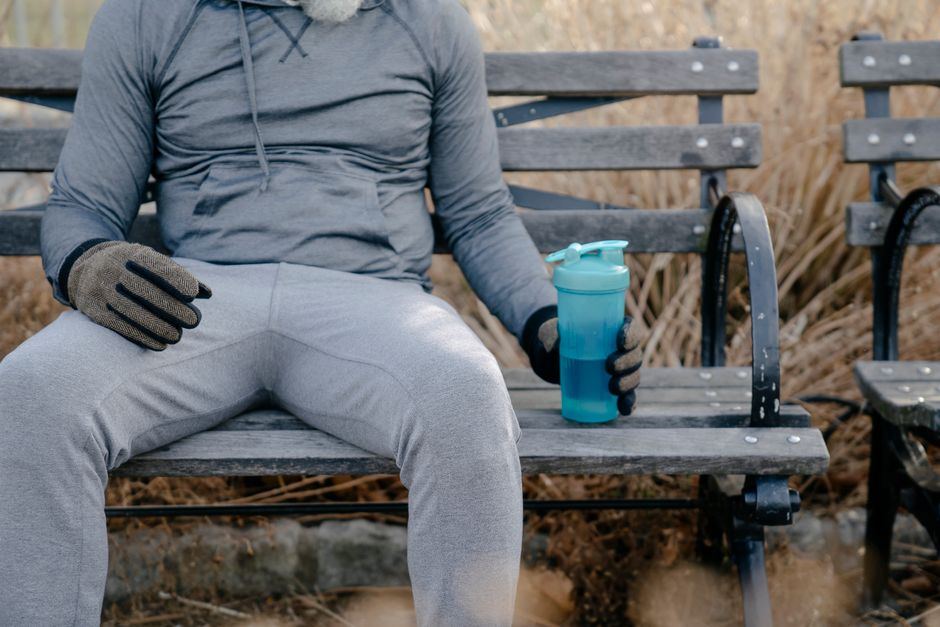
People love to argue about whether compression gear actually works. From an EMT perspective, it’s about mechanics. Compression gear helps with blood flow and prevents the pooling of metabolic waste in your lower extremities. When I pull my boots off at night, I’m not just sitting there—I’m getting my feet up and letting gravity help clear the junk out of my lower legs. It sounds simple, but those 20 minutes of elevation after a long pack-out are the difference between waking up mobile or waking up with legs like concrete.
Perspective from the Field
I recently read an article in North American Bow Hunter that hit the nail on the head: the mountain doesn't care how many miles you ran in the off-season. The mountain only cares about how you recover between the miles you're putting in right now. Stop looking for the "secret" program. The secret is discipline.
If you want to keep your legs from feeling dead on day three, quit the ego-driven training programs that promise instant results. Instead, focus on the fundamentals:
Hydrate with electrolytes, even if it's 20 degrees outside. Wear your compression gear while you’re lounging at camp. Optimize your sleep with tools like Joy Organics to ensure your body actually repairs the damage you did during the day. Keep your supplies organized at your nightstand so you don’t have to think—you just execute.The hunt is a game of attrition. The guy who is still capable of moving with purpose on day nabowhunter.com four is the one who took care of the small stuff on day one. Don't be the guy sitting at the truck because your calves locked up. Be the guy who wakes up at 4:00 am, feels the burn, and realizes it’s just the cost of doing business. Keep your routine tight, manage your inflammation, and stay in the game.
