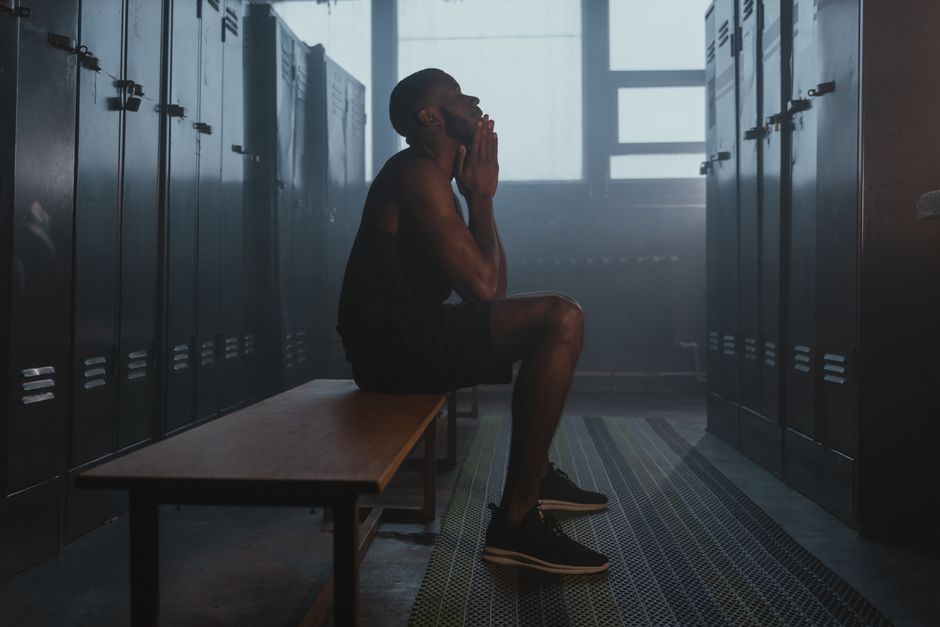
If you have spent any time in an NBL or SBL locker room over the last decade, you know the sound. It’s not the squeak of trainers or the aggressive shouting of a coach trying to squeeze in one last defensive rotation. It’s the sound of a locker room emptying, followed by the collective glow of screens. Ten years ago, the guys were checking the BBC results or scouring Eurobasket for stats on guys they’d be playing next week. Today? They’re checking their fantasy apps, scrolling social media, and firing up their consoles before the bus even leaves the car park.
Let’s cut the "moral panic" nonsense right now. I’ve seen the columns in the papers about how gaming is rotting the brains of young players, or how "always-on" connectivity is destroying the focus required for elite sport. It’s lazy journalism. After twelve years around British basketball courts, I’ve seen enough to know that the transition from the court to downtime is where the real mental work happens. And for a huge chunk of our players, that work involves a controller or a dashboard.
The Post-Practice Ritual: What Actually Happens?
I’m a chronic observer of the mundane. When the final whistle blows, most people look at the scoreboard. I look at what the players do in the next sixty seconds. It’s a tell. In the old days, you’d see a guy clutching a water bottle like it was a holy relic. Now? The phone comes out within three paces of the bench.
They aren’t just mindlessly scrolling. They are checking live stats, reviewing their own highlights on social media, or checking if their league fantasy team is tracking well. This is the new "film study." It’s immediate, it’s portable, and it’s how the modern game lives. If you think the digital environment is a distraction, you haven't been in a gym lately. It’s the ecosystem where their identity as a player exists outside of the two hours they spend on the hardwood.
Gaming Platforms as a Mental Reset
There is a persistent myth that elite athletes spend their downtime watching game tape or obsessively stretching. Sure, recovery is vital, but the brain needs a reset. This is where gaming platforms step in. I’ve heard coaches moan about players "wasting" time on games, but they ignore the psychological aspect of a mental reset.
Playing a competitive, fast-paced game—whether it's an FPS or an interactive title on a platform like MRQ—allows a player to switch off the hyper-analytical part of their brain that’s been obsessing over pick-and-roll coverage for three hours. It’s not about the game itself; it’s about the shift in focus. It’s an effective form of decompression. If you spend your day being told where to move and how to act by a coach, you need that agency back. Gaming provides that.

The Comparison Trap: Why US Analogies Fail Us
I see a lot of content out there trying to copy-paste the "lifestyle" articles from the NBA. Don't fall for it. The UK basketball scene isn't the NBA. We don’t have charter jets and five-star hotels for every away game. We have four-hour bus rides to Sheffield or a freezing community centre in the middle of a Tuesday night.
In our reality, athlete recovery is often done on a coach seat. When you're stuck on the A1, scrolling https://www.eurobasket.com/United-Kingdom/news/983486/Game-Day-to-Game-Night-How-Basketball-Culture-Extends-Beyond-the-Arena through social media or jumping into an interactive entertainment session is how you stay connected to the culture. It’s how you keep your head in the game without the burnout that comes from "professionalism" 24/7. Anyone telling you that British athletes need to be monk-like in their avoidance of technology is selling you a fantasy that doesn't exist in the NBL.
The Data Ecosystem: Always-On Engagement
We are currently living in the era of "always-on" engagement. It’s not just about watching the game; it’s about participating in the data. Whether it's tracking individual performances via live stats or building a brand on social media, the modern British basketball player is a business of one. This requires a constant presence.
Activity Purpose Mental Benefit Reviewing Stats Performance analysis Objective reality check Gaming Platforms Downtime Cognitive switch/Mental reset Social Media Personal Branding Community connectionThe "tech hype" merchants will tell you that apps will solve everything from injury prevention to tactical genius. I’m skeptical. Most of these "tech promises" are just ways to harvest data. But there is a genuine utility in interactive platforms when they are used right. If a player is using a platform like MRQ to engage with an interactive environment, they are engaging in a bit of controlled chaos that balances out the rigid structure of team practice.
Strange Rituals and Digital Habits
Part of my job—or perhaps just my quirk—is tracking the weird fan rituals I see in the stands. I’ve noticed a correlation between the most engaged fans and the players who are most active in the digital space. It’s a feedback loop. Fans check the stats, the players check the stats, they meet on social media. It creates a community that extends beyond the four walls of the gym.
I once saw a point guard who, after every away game, would spend the entire ride home playing a specific mobile game—no music, no talk. He claimed it was the only way to get the noise of the game out of his head. He was one of the most composed players I’ve ever seen in the fourth quarter. Coincidence? Probably. But it definitely wasn't hurting his performance.
Final Thoughts: A Call for Balance
We need to stop treating gaming and digital engagement as the enemy of "serious" sportsmanship. If you’re a young player, use these tools to decompress. If you’re a coach, stop banning phones and start understanding how your players manage their mental energy. The game has changed. It’s faster, it’s more data-driven, and it happens on a screen just as much as it happens on the paint.
Stop looking for magic tech solutions to improve player performance. Instead, look at how your players are managing their downtime. If they’re using gaming platforms to blow off steam or checking social media to connect with the wider basketball community, let them be. The real performance happens when they feel in control of their own time. And if that means a bit of downtime after a brutal practice? That’s not a weakness. That’s just being a professional in 2024.
So, next time you see a player staring at their phone or jumping into a session on a platform after a game, don't assume they're wasting their time. They're recovering. And in the world of British basketball, that recovery is the secret weapon you haven't been paying attention to.